
Establishing a clinician-prioritized pediatric urology clinical research agenda in the United States
From an interview with the authors of “Establishing a clinician-prioritized pediatric urology clinical research agenda in the united states.”
Clinician scientists from the CAIRIBU Community identify six unanswered questions with the potential to shape the future of pediatric urology research and patient care.

As a clinician who is counseling parents on their child’s kidney stone, you could tell them there is an eight to eighty-four percent chance their child will pass the unobstructed kidney stone on their own – at least according to the current literature.
But what does this mean? Does the family go home with a sick kid and spend days and weeks monitoring symptoms? Does the child undergo surgery?
It could be the child’s first operation, but in medically complicated patients, it could mean another surgery in a long list of invasive procedures undergone by adolescence.
This scenario is not uncommon for pediatric urologists facing important decisions every day. In a field rife with unanswered questions, the existing evidence is simply not good enough. Forced to rely on single-center retrospective studies and dogma, pediatric urologists often struggle to counsel their patients in a meaningful way. It is this need for better evidence and a more coordinated approach to identifying the questions most in need of answer that spurred a group of clinician scientists to establish the Pediatric Urology Grant-writing Group (PUGG).

Pitched as an idea over drinks, the PUGG has since formalized and now convenes regularly to “promote research collaboration and support the research career development of pediatric urologists… [to improve] the care and outcomes of patients,” The PUGG has grown into a resource for gathering feedback, increasing research visibility, and co-creating projects.
In response to challenges stemming from unanswered clinical research questions, the PUGG undertook a collaborative priority-setting effort, the outcome of which can be found in the Journal of Pediatric Urology. The recent publication, “Establishing a clinician-prioritized pediatric urology clinical research agenda in the United States” is the culmination of a methodologically rigorous process to identify the most pressing research priorities in pediatric urology. This effort is the first of its kind in nearly two decades.

The article, authored by CAIRIBU investigators Lauren Corona, MD (Vanderbilt University), Courtney Streur, MD (University of Michigan, prior CAIRIBU K12 Scholar), Vinaya Bhatia, MD (UW–Madison, current CAIRIBU K12 Scholar), David Chu, MD, MSCE (Lurie Children’s Hospital, co-investigator CAIRIBU P20 Center), Kathleen Kan, MD (Stanford University, prior CAIRIBU K12 Scholar), Jonathan Ellison, MD (Wisconsin Children’s Hospital/Medical College of Wisconsin, co-investigator CAIRIBU P20 Center), and their colleagues, identifies six research priorities:
- Define clinically significant urinary tract obstruction
- What constitutes obstruction that requires intervention?
- When should intervention occur?
- Define and manage urinary tract infection (UTI) in pediatric populations
- How should UTI be defined in children across the spectrum of functional and anatomic urinary tract variation?
- What are the best strategies to prevent and treat UTI in these various subpopulations while adhering to the principles of antimicrobial stewardship?
- Evaluate early management of neurogenic bladder
- How does early, aggressive management impact bladder function and long-term outcomes?
- Can predictive models guide individualized care?
- Optimize kidney and bladder health in posterior urethral valves
- What management strategies best preserve long-term kidney and bladder function?
- Can predictive models guide individualized care?
- Improve care and outcomes in lower urinary tract dysfunction
- What is the optimal management?
- What are the long-term outcomes including neurophysiological effects of pharmacologic treatments?
- Establish models for longitudinal care and transition for complex urologic conditions
- What are the best practices for management of complex urologic conditions across the lifespan, including healthcare transition if needed?
Importantly, these agenda items are not hierarchical. In an interview with the CAIRIBU Interactions Core, Dr. Bhatia explained the spectrum of “big” vs. “bad” conditions represented on this list. For example, she noted that “voiding dysfunction isn’t the most morbid, but it affects a large portion of the pediatric population.” Dr Bhatia said that although voiding dysfunction impacts approximately 17% of pediatric patients, there are not currently sustainable treatment options or meaningful strategies to help primary care providers manage it effectively before escalating to a pediatric urologist.
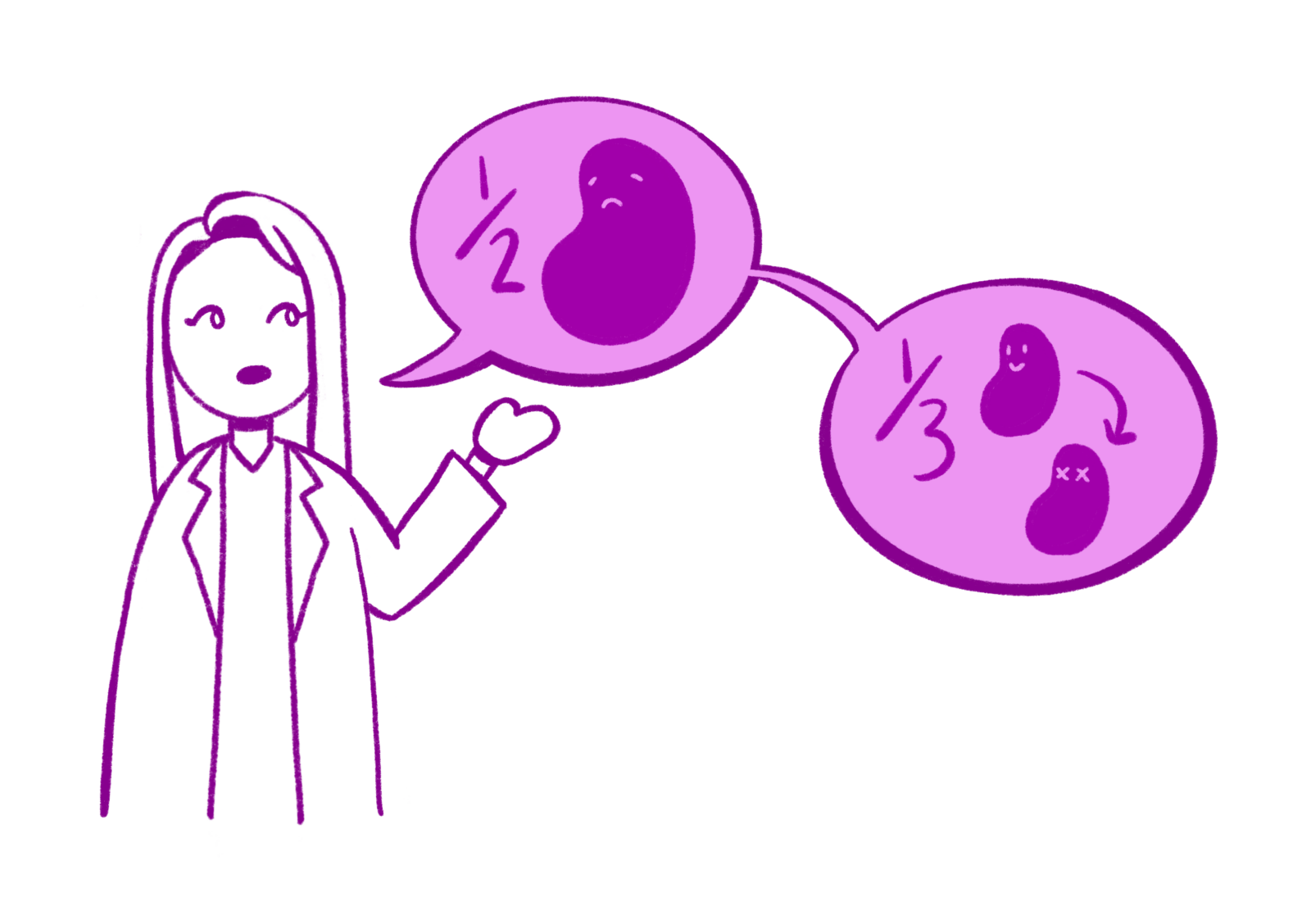
She continued, “We’re seeing things that could have been fixed if we had known about it sooner.” Posterior urethral valve, a congenital defect in boys, is organ threatening and is an example of one of the most serious pediatric urology problems. Patients impacted by this condition have the greatest potential for long term morbidity. “At least half the patients progress to chronic kidney disease, and a third will end up with a transplant, and that’s a big deal,” notes Dr. Bhatia.
For the authors, this publication has the potential to increase recognition and the significance of pediatric urology issues. Dr. Corona said that she hopes it will offer “a way [for researchers] to see how their current work aligns with field-wide priorities, or… how they could target [their research] to shape future research directions.” Dr. Corona and the other authors also hope funders who read this work are influenced to prioritize these topics in future funding opportunities. Toward this end, the authors plan to ensure the agenda’s visibility, adoption, and translation into funded collaborative research by partnering with relevant agencies and professional societies. This group will share their research agenda-setting process and results during a panel at the 2026 CAIRIBU Annual Meeting and discuss how researchers in other fields can adopt similar methods to advance additional clinical care in other areas.